The Science and Evolution of Pasta: From Traditional Food to a Global Industry
Executive Summary
Pasta, a staple of global cuisine, represents a unique intersection of culture, nutrition, and industry. This white paper examines the origins of pasta, its production processes, nutritional value, culinary applications, and its broader economic and societal impact. By analyzing current trends in consumption and production, this paper provides insights into opportunities for innovation and sustainability in the pasta sector.
1. Introduction
Pasta is a versatile carbohydrate-rich food product primarily made from durum wheat semolina and water. Its simple ingredients belie its profound influence on culinary traditions worldwide. While historically associated with Mediterranean diets, pasta has become a global dietary mainstay, reflecting regional adaptations and evolving consumer preferences.
2. Historical Context
The origins of pasta are complex and debated among food historians. While some evidence suggests early forms of pasta existed in East Asia and the Mediterranean over a millennium ago, the product as recognized today developed in Europe, particularly in the Italian peninsula. Over centuries, pasta evolved into hundreds of shapes and forms, each tailored to regional cooking methods and sauces.
3. Production Processes
Modern pasta production involves several key stages:
Ingredient Selection: High-quality durum wheat is preferred for its high protein content and gluten strength, which provide elasticity and structure.
Mixing and Kneading: Wheat flour and water are combined into a dough with consistent texture.
Shaping: Dough is extruded or rolled into various forms such as tubes, sheets, or intricate shapes.
Drying: Controlled drying ensures product stability and shelf life while preserving nutritional value.
Packaging and Distribution: The final product is packaged for consumer and industrial use, often with extended shelf life due to low moisture content.
Advanced technologies have enabled automation, consistent quality, and large-scale production while maintaining traditional textures and flavors.
4. Nutritional Profile
Pasta is primarily a carbohydrate source, with moderate protein content and minimal fat. Its nutritional benefits include:
Energy Density: Provides sustained energy suitable for active lifestyles.
Versatility: Can be enriched with fibers, proteins, or vitamins to meet dietary needs.
Glycemic Considerations: Cooking methods and pasta type influence its glycemic index, affecting blood sugar response.
Whole grain variants and legume-based pastas have emerged to meet consumer demand for enhanced nutritional profiles.
5. Culinary and Cultural Significance
Pasta transcends mere sustenance, serving as a canvas for culinary creativity:
Global Adaptation: Pasta dishes range from simple preparations with olive oil and herbs to elaborate sauces incorporating vegetables, proteins, and spices.
Cultural Symbolism: In many regions, pasta represents tradition, family, and community, reflecting local identity and social rituals.
Innovation: Contemporary culinary trends explore novel shapes, flavors, and ingredients, responding to health-conscious and adventurous consumers.
6. Economic Impact
Pasta is a significant driver of agricultural, manufacturing, and retail sectors:
Agriculture: High demand supports wheat cultivation and associated supply chains.
Manufacturing: Industrial production of pasta generates employment and drives technological innovation.
Global Trade: Pasta exports and imports contribute to international trade and food security.
Market trends indicate growing demand for gluten-free and plant-based alternatives, highlighting opportunities for product diversification.

7. Sustainability Considerations
Sustainable pasta production encompasses environmental, economic, and social dimensions:
Resource Management: Efficient water and energy use during cultivation and processing reduces environmental footprint.
Waste Reduction: Improved packaging and production techniques minimize food loss.
Community Engagement: Local sourcing and support for small-scale farmers enhance social sustainability.
The industry faces ongoing challenges in balancing mass production with sustainable practices, particularly in resource-constrained regions.
8. Future Trends and Opportunities
Emerging trends in pasta consumption and production include:
Functional Ingredients: Incorporation of protein, fiber, or micronutrients for health-focused consumers.
Plant-Based Alternatives: Pasta made from legumes, vegetables, or ancient grains.
Personalized Nutrition: Innovations in formulation and portioning to meet individual dietary needs.
Sustainable Practices: Adoption of circular economy principles in packaging and production.
The continued evolution of pasta reflects broader trends in food innovation, sustainability, and consumer preference.
9. Conclusion
Pasta is far more than a culinary staple; it is a cultural artifact, a nutritional resource, and an economic engine. Understanding its production, nutritional value, and market dynamics enables stakeholders to make informed decisions, innovate responsibly, and address global food challenges. As the pasta industry evolves, its ability to adapt to health, sustainability, and consumer trends will determine its future relevance and impact.
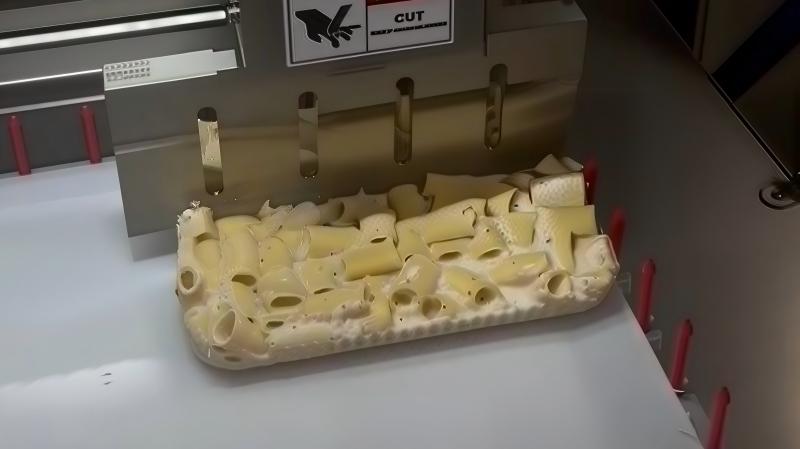
Ultrasonic Pasta Cutting: Clean Cuts, Better Quality, Higher Efficiency
Traditional pasta cutting can cause deformation, sticking, uneven edges, and material waste—especially when handling delicate, layered, or filled pasta products. Ultrasonic pasta cutting technology uses high-frequency vibration to create a smooth, low-friction cutting process, allowing blades to separate pasta with minimal pressure.
The result? Cleaner edges, consistent portions, reduced crumbs, and improved product appearance. Ultrasonic cutting helps maintain the original texture and structure of pasta while improving production efficiency for food manufacturers.
From fresh pasta sheets to specialty pasta products, ultrasonic cutting provides a smarter solution for modern food processing, combining precision, hygiene, and automation.
#UltrasonicCutting #PastaProcessing #FoodManufacturing #FoodAutomation #PastaIndustry
About Cheersonic
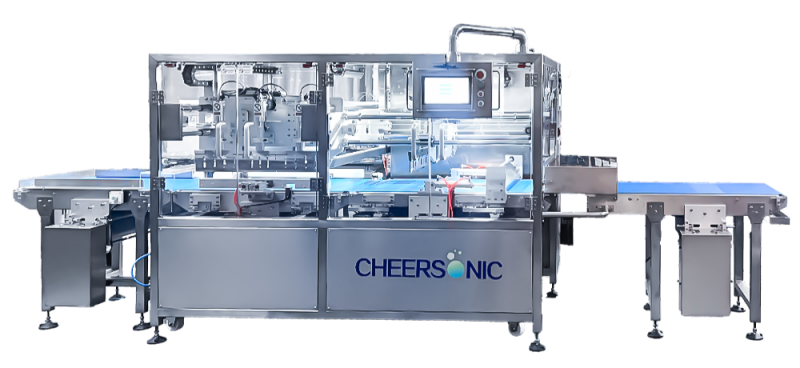
Cheersonic manufactures the leading portioning equipment for bakeries producing fresh and frozen desserts. Since 1998 bakers have used Cheersonic machines to cut, slice and portion cheesecake, pie, layer cake, loaves, butter, cheese, pizza, sandwichs, and more. Cheersonic offers ultrasonic cutting solutions that support start-up bakeries and high production commercial facilities alike. Small standalone machines can be used in manual baking facilities and large inline robotic solutions aid in high speed production.
Cheersonic offers many ultrasonic slicing models, both inline and offline applications, with production speeds of 80 to 1,500 cakes or pies per hour.
Cheersonic’ latest offline introductions include ultrasonic cutting with or without divider inserts between each slice. This improves the quality of the cut and makes for a much better product presentation for the customer. In addition, robotic arm improves the speed, efficiency, and accuracy of the cutting process, producing professional looking products every time.
Email: market2@cheersonic.com


评论
发表评论